
Search Engine Optimization (SEO)
Search Engine Optimization (SEO) is the process of improving a website’s visibility on search engines like Google, Bing, and Yahoo. It helps websites rank higher in search engine results, making it easier for potential customers to discover your business online. By attracting more organic traffic, SEO increases brand awareness, website credibility, and business opportunities.
SEO includes keyword research, on-page optimization, technical SEO, content creation, link building, and website performance improvements. It also focuses on enhancing user experience through fast loading speeds, mobile-friendly design, secure browsing, and easy navigation. These factors help improve search rankings and encourage visitors to stay longer on your website.
A strong SEO strategy provides long-term benefits by driving consistent traffic and generating quality leads without relying only on paid advertising. Whether you have a personal portfolio, business website, or online store, SEO is an essential digital marketing practice that supports sustainable growth, improves online visibility, and helps you achieve your business goals.
Social Media Marketing (SMM)
Social Media Marketing (SMM) is the practice of promoting a business, brand, or service through social media platforms such as Facebook, Instagram, LinkedIn, X, and YouTube. It helps businesses connect with their target audience, increase brand awareness, and build meaningful relationships with customers. By sharing engaging content, businesses can attract new followers, encourage interaction, and drive traffic to their websites.
An effective SMM strategy includes content creation, post scheduling, audience engagement, paid advertising, influencer collaborations, and performance analysis. Regularly posting valuable content and responding to customer interactions helps build trust and strengthen brand loyalty. Social media platforms also provide powerful targeting options, allowing businesses to reach the right audience based on their interests, location, and behavior.
Social Media Marketing is an essential part of digital marketing because it improves online visibility, generates quality leads, boosts website traffic, and supports long-term business growth. With the right strategy, businesses can increase customer engagement, improve conversions, and create a strong online presence in today’s competitive digital world.

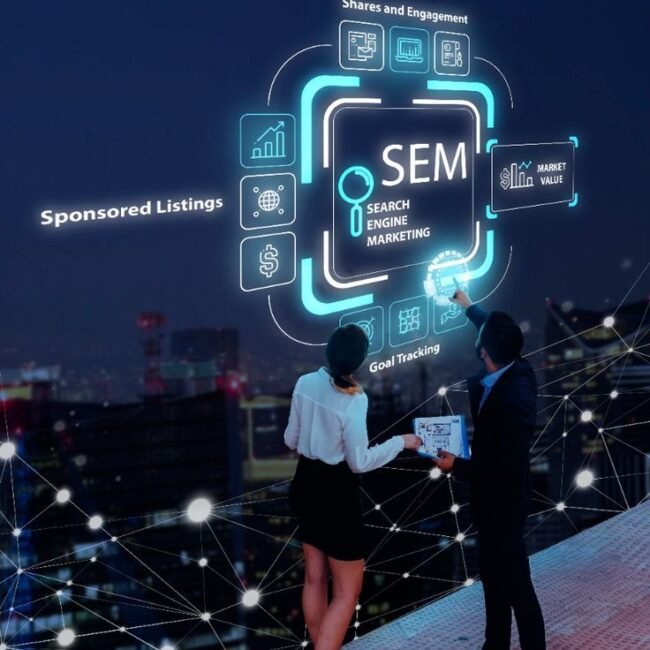
Search Engine Marketing (SEM)
Search Engine Marketing (SEM) is a digital marketing strategy that uses paid advertising to increase a website’s visibility on search engines like Google and Bing. It helps businesses reach potential customers who are actively searching for products or services online. By placing targeted ads at the top of search results, SEM drives immediate traffic, generates qualified leads, and improves brand visibility.
A successful SEM campaign involves keyword research, ad creation, audience targeting, bid management, and continuous performance optimization. Businesses can control their advertising budget, target specific locations and demographics, and measure results through clicks, impressions, conversions, and return on investment (ROI). This makes SEM a flexible and cost-effective marketing solution for businesses of all sizes.
Search Engine Marketing is ideal for increasing website traffic, promoting new products, and achieving fast online results. When combined with SEO, SEM creates a powerful digital marketing strategy that enhances online presence, attracts the right audience, and supports long-term business growth.
Lorem ipsum dolor sit amet, consectetur adipiscing elit. Ut elit tellus, luctus nec ullamcorper mattis, pulvinar dapibus leo.
Content Marketing
Content Marketing is a digital marketing strategy focused on creating and sharing valuable, relevant, and engaging content to attract and retain a target audience. Instead of directly promoting products or services, it provides useful information that builds trust, educates customers, and encourages meaningful interactions. High-quality content helps businesses establish authority and strengthen their online presence.
An effective content marketing strategy includes blog articles, website content, social media posts, videos, infographics, email newsletters, and case studies. By understanding the audience’s needs and interests, businesses can create content that answers questions, solves problems, and guides customers through their buying journey. Consistent and well-optimized content also improves search engine rankings and drives organic website traffic.
Content Marketing is essential for long-term business growth because it increases brand awareness, generates quality leads, improves customer engagement, and boosts conversions. With a strong content strategy, businesses can build lasting relationships with their audience and achieve sustainable success in the competitive digital marketplace.


Email Marketing
Email Marketing is a powerful digital marketing strategy that helps businesses communicate directly with their audience through personalized email campaigns. It is an effective way to build customer relationships, promote products or services, share valuable updates, and encourage repeat business. By delivering relevant content to the right people at the right time, email marketing increases engagement and strengthens brand loyalty.
A successful email marketing strategy includes building a quality subscriber list, creating engaging email content, designing attractive templates, and using audience segmentation for personalized communication. Businesses can send newsletters, promotional offers, product announcements, event invitations, and follow-up emails to keep customers informed and engaged. Performance can be measured through open rates, click-through rates, and conversions to improve future campaigns.
Email Marketing is a cost-effective solution for generating leads, increasing website traffic, boosting sales, and maintaining long-term customer relationships. When combined with other digital marketing strategies, it helps businesses grow their online presence, improve customer retention, and achieve sustainable business success.
Graphic Designing
Graphic designing is the art of creating visual content to communicate ideas and messages effectively. It combines creativity, typography, colors, images, and layouts to produce attractive designs for both print and digital platforms. Graphic designers create logos, brochures, social media posts, banners, business cards, posters, and website visuals that help businesses build a strong brand identity.
In digital marketing, graphic designing plays an important role in attracting customers and improving brand recognition. Well-designed visuals capture attention quickly, increase engagement, and make information easier to understand. Good design also creates a professional impression, helping businesses gain customer trust and stand out from competitors. With the growing demand for online marketing, graphic designing has become an essential skill for promoting products and services. By combining creativity with communication, graphic design helps businesses deliver their message clearly, strengthen their brand image, and connect with their target audience more effectively.


Web Development
Web development is the process of creating, designing, and maintaining websites and web applications. It involves coding, programming, and using technologies such as HTML, CSS, JavaScript, and various frameworks to build responsive and user-friendly websites. A well-developed website ensures smooth navigation, fast loading speed, and compatibility across different devices and browsers.
Web development is divided into two main areas: front-end development, which focuses on the visual appearance and user experience, and back-end development, which manages the server, database, and application functionality. Together, they create websites that are both attractive and functional.
In today’s digital world, web development is essential for businesses, organizations, and individuals to establish a strong online presence. A professional website helps increase brand credibility, attract customers, and support digital marketing efforts. As technology continues to evolve, web development remains a valuable skill that enables businesses to provide better online services and reach a wider audience.

Online Advertising (Ads)
Online advertising, commonly known as digital ads, is a marketing strategy used to promote products, services, or brands through the internet. Businesses display advertisements on search engines, social media platforms, websites, mobile apps, and video-sharing platforms to reach their target audience. Popular types of online ads include search ads, display ads, social media ads, video ads, and shopping ads.
Digital advertising helps businesses increase brand awareness, drive website traffic, generate leads, and boost sales. One of its biggest advantages is the ability to target specific audiences based on factors such as age, location, interests, and online behavior. It is also cost-effective because advertisers can set their own budgets and measure campaign performance using real-time data and analytics.
In today’s competitive market, online advertising plays a vital role in digital marketing. Well-planned ad campaigns help businesses connect with potential customers, improve engagement, and achieve their marketing goals more effectively.